Calculator & recipe workspace
Using the soap calculator
Understand oil weights and percentages, lye and water settings, saved versions and backups.
Read the guide →Understand recipe calculations, plan your batches, and explore practical guides to ingredients, making, curing and troubleshooting.
Calculator & recipe workspace
Understand oil weights and percentages, lye and water settings, saved versions and backups.
Read the guide →Ingredients & formula choices
Choose herbs, infused oils and herbal tea for their actual roles in soap, with realistic scent expectations and clear oil and liquid accounting.
Read the guide →Making & curing soap
Separate unmolding firmness, cure and wet wear before changing a recipe. Compare water, oil blend, additives and drainage against the result you actually want.
Read the guide →Troubleshooting
Check olive-oil content and cure age, deliberate low-coconut choices, fleeting bubbles and beeswax before changing a low-lather soap recipe.
Read the guide →Troubleshooting
Separate a delicate chilled loaf from a salt bar cut too late, then check sodium lactate, alkali calculation and weighing before choosing a fix.
Read the guide →Troubleshooting
Check cure age, oil blend and actual water before blaming softness. Distinguish slow-firming soap from uncertain alkali condition and excessive additions.
Read the guide →Troubleshooting
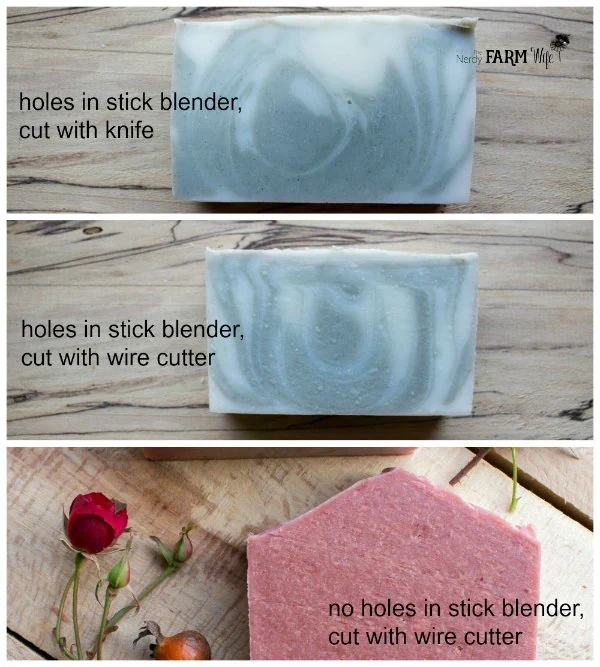
Compare air cavities, solid-fat spots, white pigment and suspected undissolved alkali using process evidence and useful limits.
Read the guide →Troubleshooting
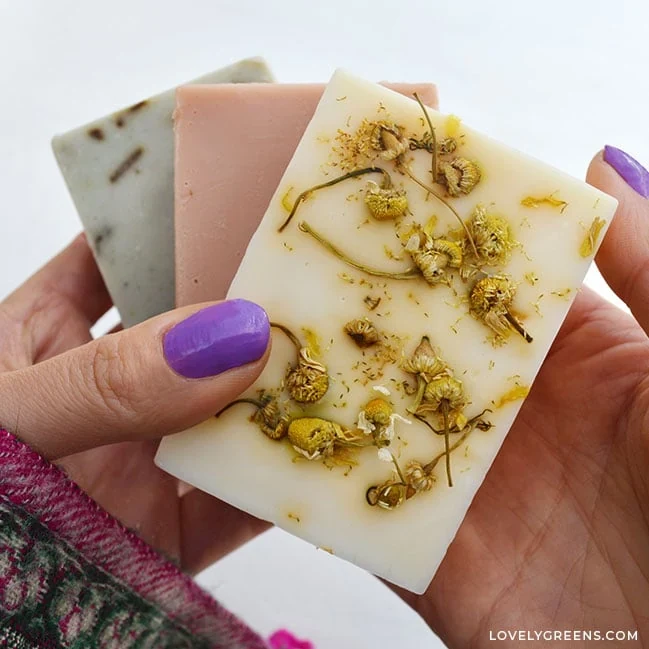
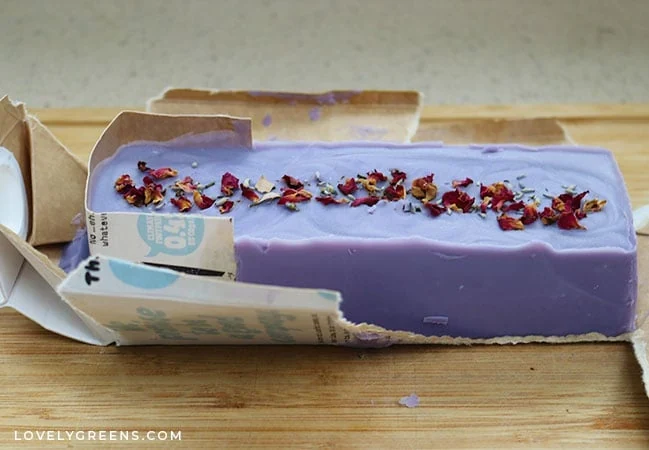
Move flower decorations to the side of the cut face, check tool clearance and clean the edge between slices.
Read the guide →Troubleshooting
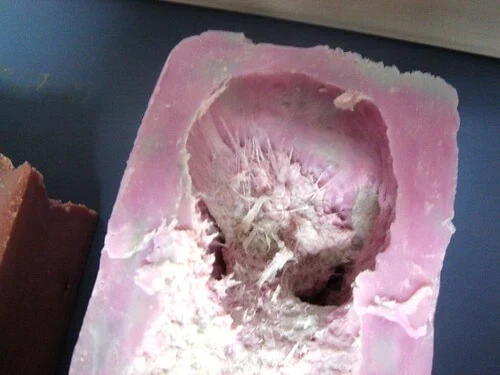
Distinguish source-documented dry heat tunnels from leaking cavities whose unknown material loss changes the assessment.
Read the guide →Ingredients & formula choices
Choose airy foam, dense texture or better persistence deliberately. Read fatty-acid scores alongside real single-oil examples, then recalculate and compare a complete formula.
Read the guide →Troubleshooting
Check the exact scent, dosing basis and curing conditions before adding more fragrance. Understand what anchoring, clay and flash point can actually tell you.
Read the guide →Troubleshooting
Prepare the exact colorant in a suitable carrier, account for portion quantities, and mix before the batter becomes too thick.
Read the guide →Troubleshooting
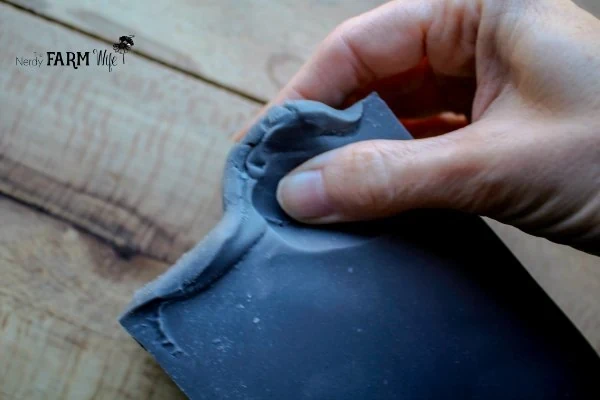
Distinguish soft soap from mold adhesion, handle silicone and rigid plastic differently, and choose a useful next-batch liner or formula change.
Read the guide →