Calculator & recipe workspace
Using the soap calculator
Understand oil weights and percentages, lye and water settings, saved versions and backups.
Read the guide →Understand recipe calculations, plan your batches, and explore practical guides to ingredients, making, curing and troubleshooting.
Calculator & recipe workspace
Understand oil weights and percentages, lye and water settings, saved versions and backups.
Read the guide →Troubleshooting
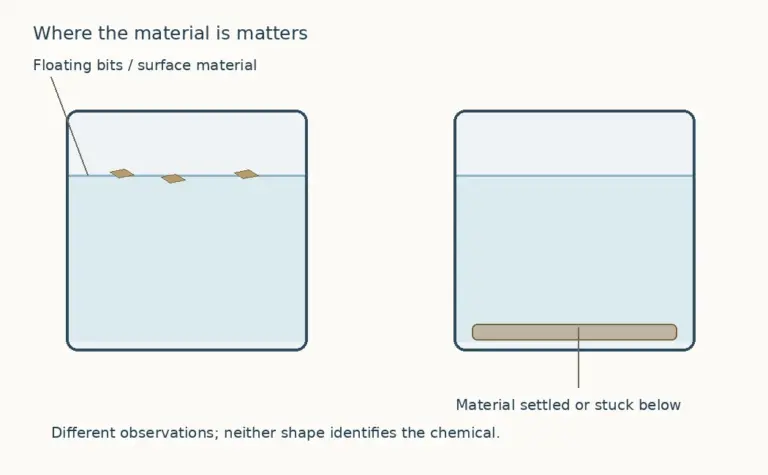
A trace of material from a previous use is one possible cause. Keep that explanation separate from claiming every particle is harmless.
Read the guide →Troubleshooting
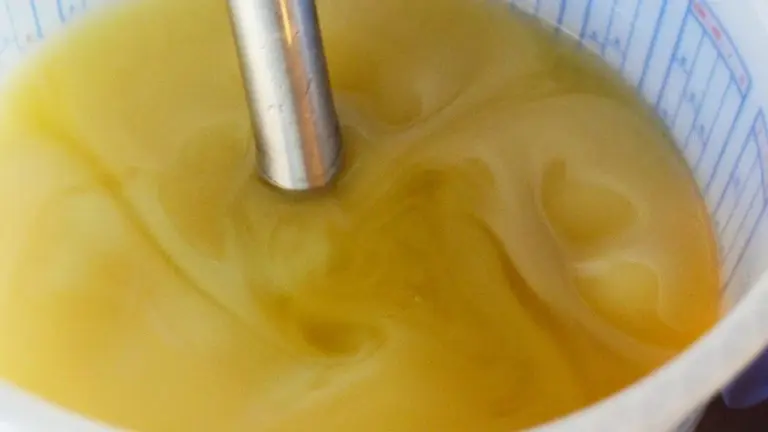
Separate a slow but uniform mixture from missing alkali or a mixing problem before you change anything in the pot.
Read the guide →Troubleshooting
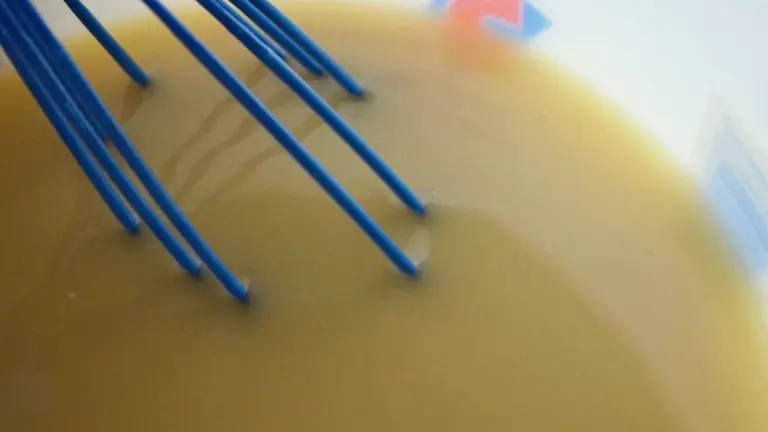
Find out whether mixing, cooling fats, water settings or added ingredients consumed your swirl time, and choose a controlled change for the next batch.
Read the guide →Making & curing soap
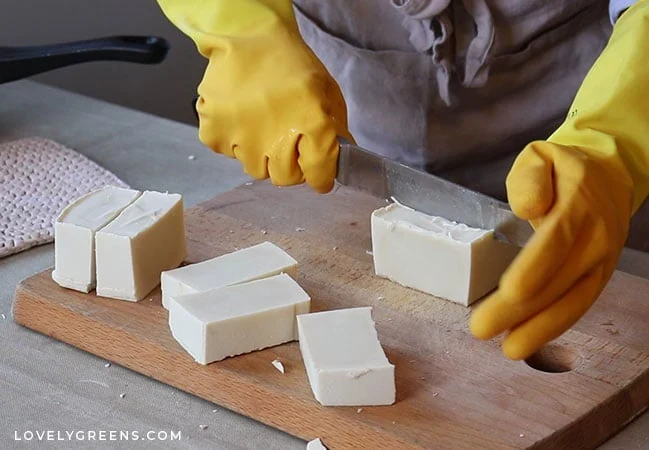
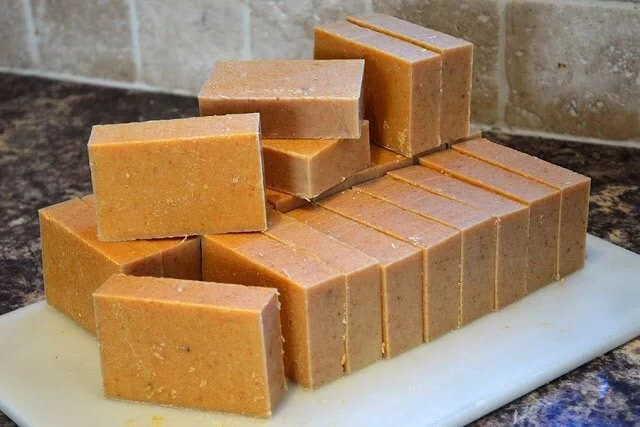
Use recipe history, a protected firmness check and a small trial slice to find the cutting window, with salt-bar exceptions and guidance for an already-unmolded soft loaf.
Read the guide →Making & curing soap
Use a known base and its actual condition to plan measured rebatching liquid, keeping age, softness, liquid choice and later drying in the record.
Read the guide →Making & curing soap
Later addition during rebatching can avoid part of the original processing exposure, but heat, the soap environment and storage still affect delicate materials.
Read the guide →Calculation guides
Separate initial dissolving water from later liquid additions, distinguish whole ingredient mass from water content, and reconcile a partial-replacement worksheet.
Read the guide →Troubleshooting
Investigate a wet soap surface using its age, humidity and mixing history, while keeping unknown droplets separate from assumptions about fragrance or glycerin.
Read the guide →Troubleshooting
Understand why a residue can change the alkali actually transferred, distinguish before- and after-pour decisions, and avoid guessed rinses or recipe corrections.
Read the guide →Making & curing soap
Understand why a freshly cut bar still needs drying and observation, why hot-process cooking does not remove cure, and how airflow and recipe conditions affect the waiting period.
Read the guide →Calculation guides
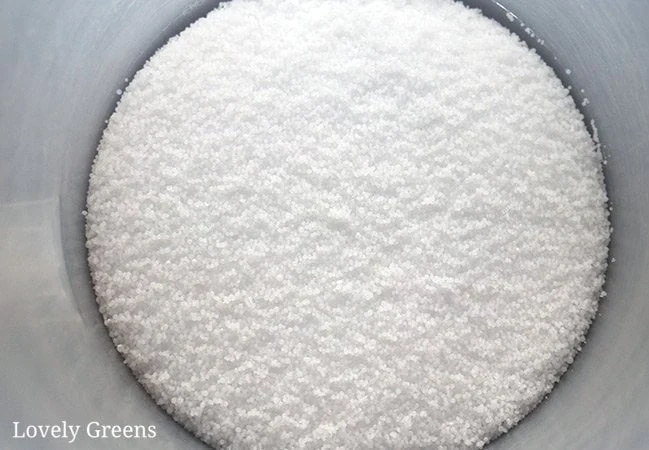
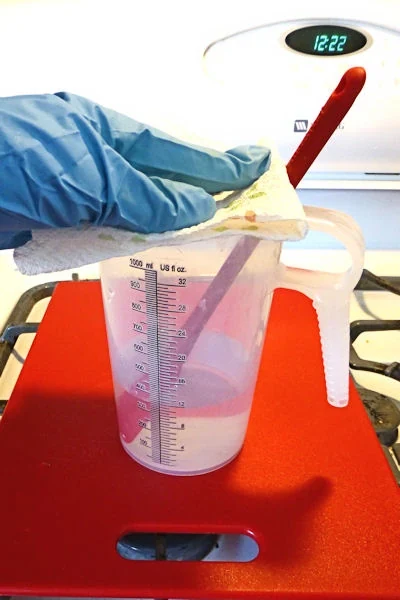
Understand why concentrated NaOH stock can develop cold crystals and why clear upper liquid should not be assumed to retain the original concentration.
Read the guide →Ingredients & formula choices
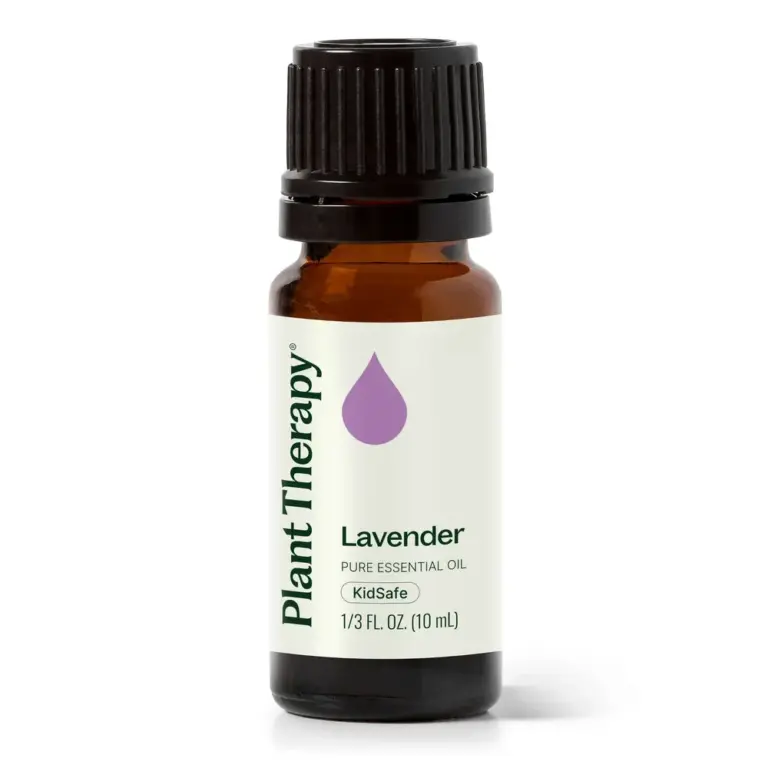
Distinguish undiluted essential oils from carrier-oil products, read the exact ingredients, and understand how dilution changes both fragrance mass and base-oil accounting.
Read the guide →