Calculator & recipe workspace
Using the soap calculator
Understand oil weights and percentages, lye and water settings, saved versions and backups.
Read the guide →Understand recipe calculations, plan your batches, and explore practical guides to ingredients, making, curing and troubleshooting.
Calculator & recipe workspace
Understand oil weights and percentages, lye and water settings, saved versions and backups.
Read the guide →Troubleshooting
Understand heat-driven rising and overflow, review sugar-containing additions and mold insulation, and separate a controlled next test from handling an active hot batch.
Read the guide →Calculation guides
Choose a deliberate lye-concentration comparison around the actual formula, design, mold and curing goals, without treating less water as a universal shortcut.
Read the guide →Troubleshooting
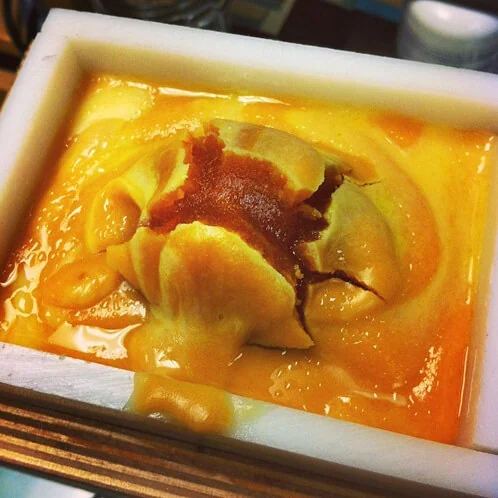
Recognize a developing gel center, compare it with cracks and expansion, and keep fresh-batch observations separate from color-based safety assumptions.
Read the guide →Batch preparation
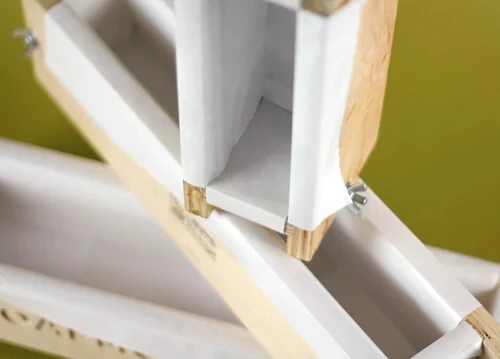
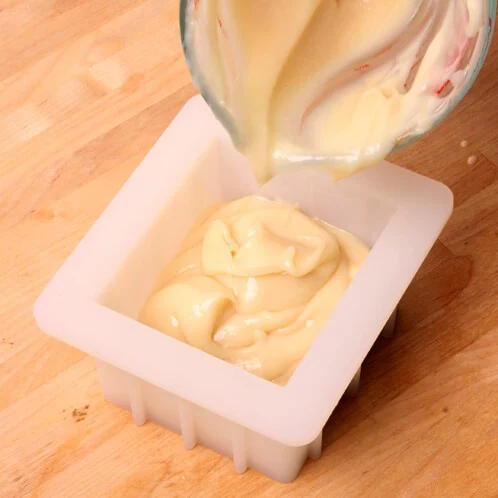
Choose suitable paper or a fitted silicone liner for a wooden soap mold, dry-fit the complete cavity, and compare release, repeated work and support.
Read the guide →Troubleshooting
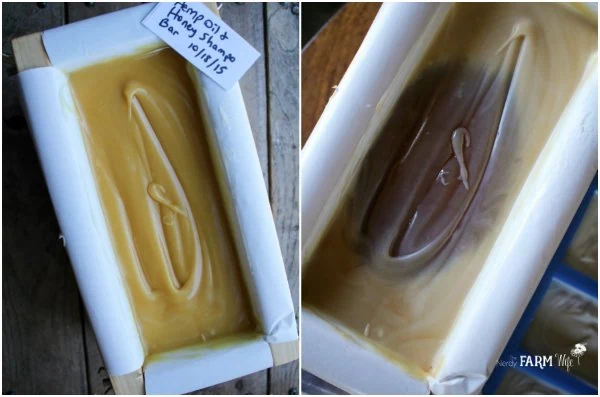
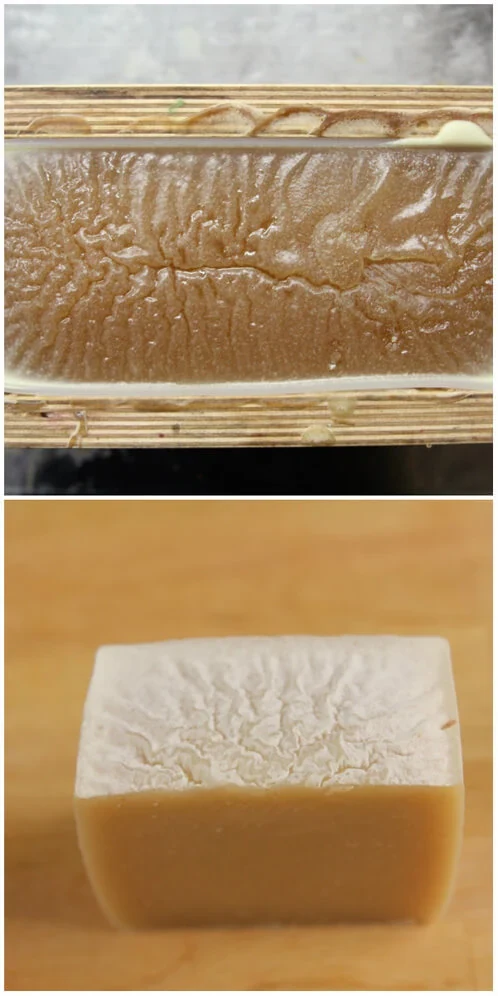
Recognize the wrinkled surface called alien brain, understand its reported heat and gel association, and investigate the next batch without treating appearance as a safety test.
Read the guide →Ingredients & formula choices
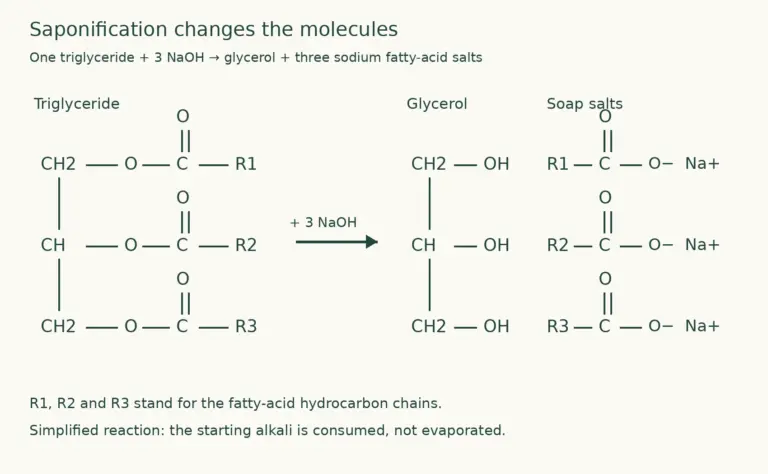
Saponification consumes sodium hydroxide to form soap and glycerol. Understand no free lye, and why dissolution, drying, cure and a balanced batch are different questions.
Read the guide →Ingredients & formula choices
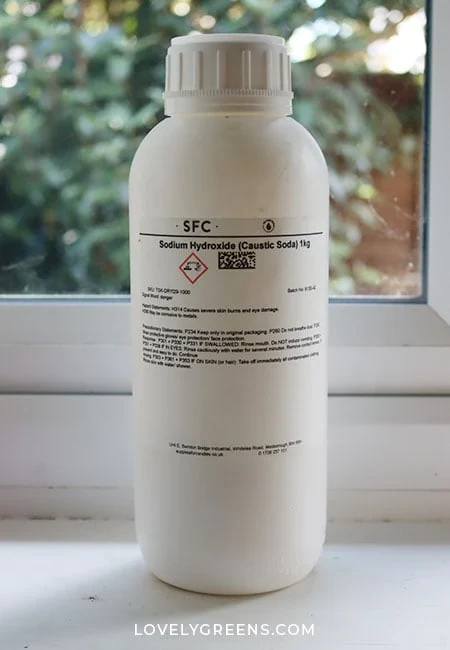
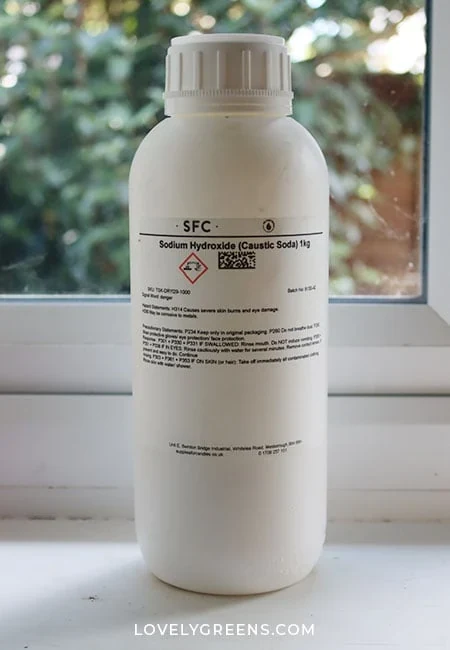
Baking soda and sodium hydroxide are different chemicals. Learn why an NaOH oil recipe cannot use a baking-soda substitution and how premade soap bases differ.
Read the guide →Calculation guides
Check the water actually available to dissolve NaOH, distinguish a conventional1:1working boundary from physical solubility, and account for cooling and reserved water.
Read the guide →Batch preparation
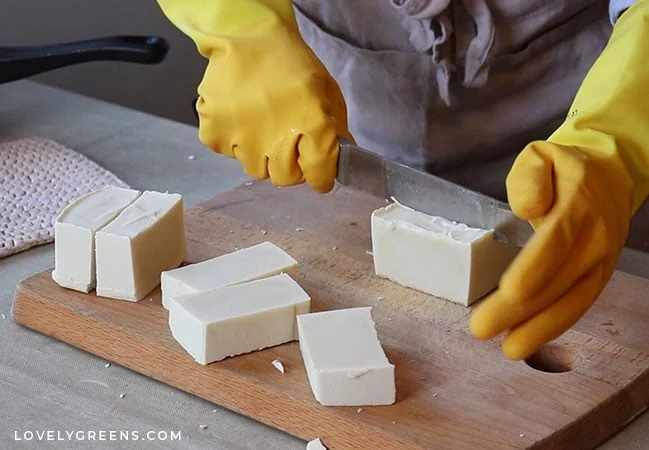
Compare manual slab grids and loaf-wire soap cutters using fresh bar dimensions, full-cut clearance, physical effort, mold compatibility and your actual workflow.
Read the guide →Troubleshooting
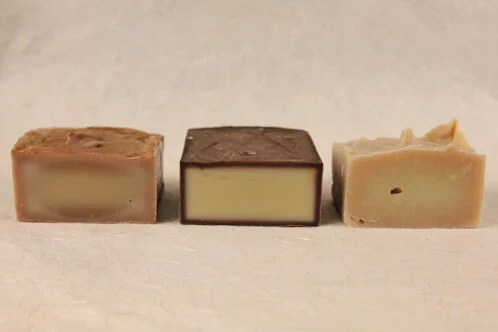
Understand delayed fragrance browning, dark outer rims and pale freshly cut centers, and the limits of colorants and stabilizers in cold-process soap.
Read the guide →Troubleshooting
Investigate rice-like lumps after fragrance addition, distinguish oil separation, and understand the working-time trade-off of additional blending.
Read the guide →Troubleshooting
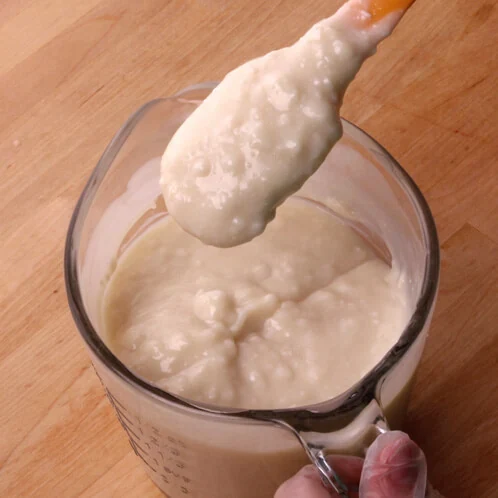
Recognize fragrance-driven thickening, simplify a still-uniform pour, distinguish ricing and separation, and record useful changes for the next cold-process batch.
Read the guide →