
When Is Rebatching Soap Worth the Extra Work?
Select an image to view it at full size.
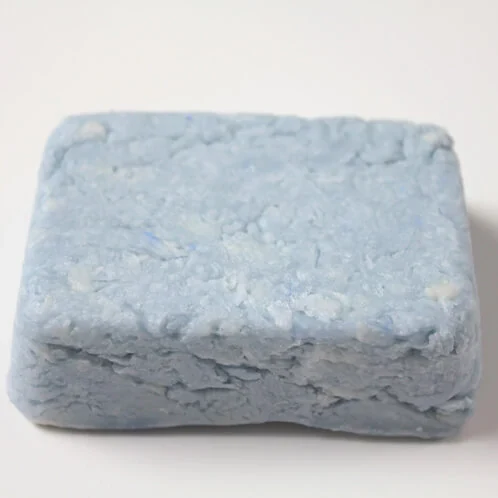
Rebatching is worth considering when you have a known soap base, a specific change to make and a realistic expectation of a thicker, more rustic result. It can provide a second chance for a documented mistake or a way to add certain ingredients after the initial oil-and-lye reaction. It is a poor substitute for diagnosing an unknown batch or a dependable route to the smooth, fluid pour of a new cold-process batch.
Decide what successful reworking would accomplish before shredding the bars. A different scent, a darker color, a deliberately rustic finish and a correction to a known omission are separate goals. The acceptable starting material and the information you need depend on which one you are pursuing.
Identify the Change You Actually Want
If a sound batch simply has an appearance you dislike, first decide whether it needs changing at all. Reworking adds labor and another drying period. Leaving usable bars as they are may serve you better than making the soap twice to chase a cosmetic preference.
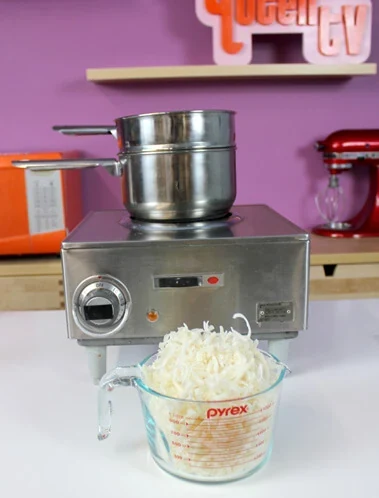
If you do rework it, give the goal a concrete description: for example, an unscented base divided into separately identified color trials, or a known batch remolded in a simpler shape. Keep that distinct from a promise to reproduce the original pattern. Shredding and mixing deliberately destroys the original arrangement of colored layers or swirls.
David Fisher's rebatching guide presents both enthusiastic and reluctant approaches to the method. His own reservations concern the extra work and less polished appearance, while the benefits include later addition of selected ingredients and correcting mistakes that are actually understood. That is a useful way to evaluate the choice, rather than treating rebatching as automatically better or wasteful.
Separate Cosmetic Reworking from Formula Repair
A known, suitable soap base is a different starting point from a batch whose ingredient amounts are uncertain. If the goal is correcting an omission, reconstruct what was supposed to go in and what actually went in. A suspicion such as “perhaps I used too little lye” does not supply a correction amount.
Fisher explicitly warns against rebatching merely because a batch seems wrong or might be lye-heavy. His repair discussion assumes the mistake is known. Heating a batch again does not provide the missing measurement, remove an unidentified contaminant or establish that the result is appropriate to use.
Keep a questionable batch separate while its actual composition and problem are assessed. If those cannot be established, do not turn an attractive rebatched appearance into reassurance. The decision to attempt a formula correction needs more information than the decision to recolor an already suitable base.
Expect a Thick Mixture and a Different Finish
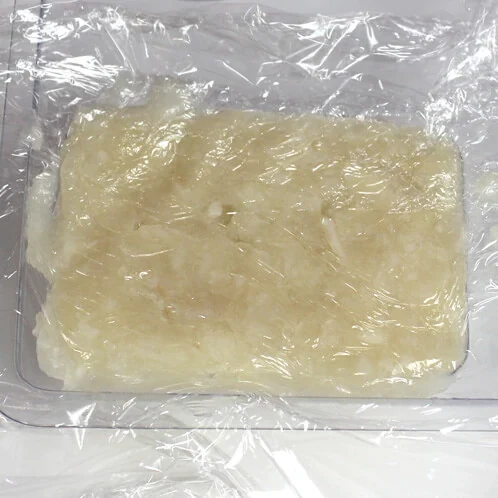
Rebatch soap is not ordinary melt-and-pour base. Fisher describes a softened, thick mass rather than a completely remelted, freely flowing liquid. It is usually packed or scooped into a mold, which can leave trapped air, uneven tops and less crisp edges.
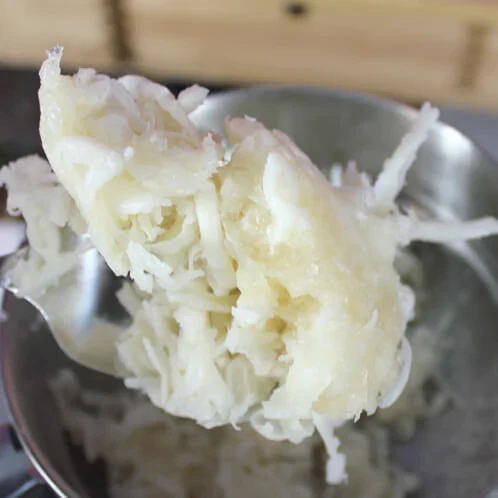
Ask whether that finish suits the project. A simple loaf or deliberately textured bar may tolerate it well. A finely detailed mold, a delicate translucent appearance or a design that depends on a long fluid pouring window may be a poor match. More heat or more liquid is not an unlimited way to turn the material into a different kind of soap base.
Allow for the work of reducing the bars to manageable pieces, preparing appropriate equipment, monitoring the selected method, incorporating additions and filling the mold. The second process also needs its own identification and record. The fact that the starting soap already existed does not make the reworking step effortless.
Decide Whether Later Additions Offer a Real Benefit
One reason Fisher gives for rebatching is adding selected colors, fragrances or other materials after most of the original saponification has occurred. This changes their exposure compared with adding them to newly mixed oil-and-lye batter. It may be useful for an ingredient known to misbehave during the original process.
It does not eliminate the effects of heat, the soap's own chemical environment or later storage. A material described as delicate still needs application-specific information. “Added later” is not evidence that any botanical will retain its color, every scent will last or every bead will remain intact.
Check the existing additions before planning new ones. If a batch is already fragranced, you need to know what is present and how much was originally added. A weak smell does not measure the remaining fragrance or create permission to add a full new dose. For an exploratory cosmetic project, a documented unscented base offers a clearer starting point than a mystery scented bar.
Include Added Liquid in the Cost of the Decision
The age and condition of the base affect how much help it needs to soften. Fisher distinguishes fresher, softer soap from older, drier bars and recommends working with enough liquid to wet the shreds, rather than drowning them. Those observations do not supply one amount for every recipe or method.
Extra liquid has a consequence after molding: it must be accommodated in the bar's later drying and handling. Do not promise yourself that the original cure age will carry unchanged through the new process. The remolded bar can need additional time to firm up, depending on what you added and the resulting conditions.
This matters when your objective is a quick gift or an immediate replacement for another batch. Rebatching can reuse suitable material, but it does not guarantee the shortest route to a finished bar. Include the reworking and subsequent waiting time when deciding whether it is worthwhile.
Make a Modest, Traceable Trial When Appropriate
For a cosmetic experiment using a known suitable base, a modest identified portion can show whether you like the texture and the proposed addition before committing the entire supply. Keep the portion large enough for reliable measurement and the chosen method. This is not a way to make an unknown or unsuitable base acceptable by testing a small piece on someone.
Record the base recipe or supplier identity, age, portion mass, additions, method and resulting observations. Label the reworked version separately from the original. Compare the outcome with your stated goal: did the color change as intended, did the shape release satisfactorily and is the rustic surface acceptable?
If the trial creates a new problem or fails the original goal, retain that result rather than repeatedly adding liquid, fragrance or color without a record. A useful decision may be to stop reworking this base and make a new checked batch for the desired design.
Choose the Method for the Goal, Not Just to Avoid Waste
Rebatching makes the most sense when its particular strengths match the project: a known starting material, a change that can actually be made at this stage and a finish you are happy to use. It makes less sense when the missing information is the formula itself, the desired result needs a fluid pour or the main motivation is that every batch must somehow be rescued.
Before proceeding, be able to state the starting base, the intended change and why the selected reworking method fits both. If those are clear, the extra work may be worthwhile. If they are not, more heating and a new mold will not answer the unresolved question.