
How to Check Animal-Derived Ingredients in a Soap Formula
Select an image to view it at full size.
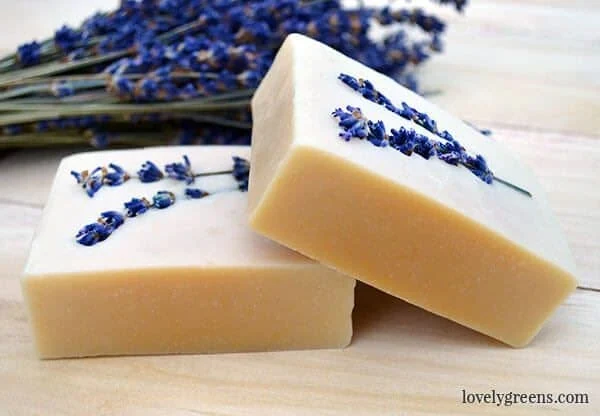
Check a soap formula ingredient by ingredient, using exact product identities and supplier evidence for materials with variable origins. Include fragrance, colorants, additives and processing aids, rather than checking only the main oils. A name such as glycerin or stearic acid identifies a material but does not necessarily identify its feedstock.
This produces an ingredient-origin record for the formula you actually make. A broader vegan claim or certification can also involve manufacturing, testing and contamination requirements, so keep those questions distinct from simply finding no obvious animal fat in the oil list.
Start with the Whole Formula
List every material that enters the batch, including small additions and preblended ingredients. Record supplier, full product name, grade or variant, and lot or purchase information where available. Include color dispersions, fragrance mixtures and any mold treatment that might contact the product.
Do not begin with the assumption that a plant-oil base settles the result. A formula using olive and coconut oils may still include honey, milk or silk. Conversely, a chemical-sounding ingredient can have a documented vegetable source. Marketing terms such as natural, handmade or gentle answer neither question.
Use a practical evidence table with a row for each exact input. Keep origin status, document or supplier reply, date and unresolved questions beside it. Distinguish “documented vegetable origin” from “not yet checked”; an empty cell should not quietly become approval.
Identify Definite Animal Inputs First
Lard and tallow are animal fats. Milk and its derivatives, beeswax and other bee products such as honey, lanolin and silk are also relevant animal-derived inputs. Carmine is another material to check in a colorant's component list. Humblebee & Me's ingredient-origin FAQ identifies these kinds of materials and emphasizes checking suppliers for uncertain inputs.
The honey-soap photograph illustrates why the whole formula matters: honey can be a featured addition even when the main oils are plant-derived. Its small proportion does not make its origin disappear. The same applies to a tiny amount of silk or a premix containing an animal-derived component.
If avoiding animal ingredients is the goal, mark these inputs as requiring removal or a reformulated alternative. Do not merely change the label. Record which recipe version contained them so that existing bars are not accidentally described as the revised formula.
Resolve Variable Origins with Exact Supplier Evidence
Glycerin and stearic acid are examples where the generic name alone is insufficient. Ask about the actual grade sold to you. Prefer a current technical description or written confirmation that identifies the material and addresses its source, rather than assuming that every supplier uses the same feedstock.
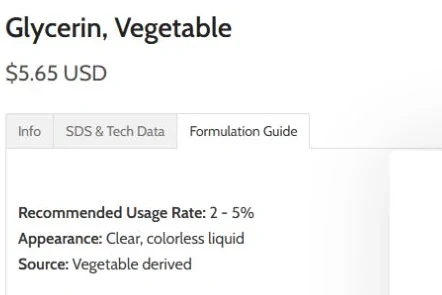
For a current example, Lotioncrafter's Glycerin, Vegetable page lists the INCI name Glycerin, while its Formulation Guide states “Source: Vegetable derived.” The screenshot shows that guide on the actual product page. The origin statement supplies information that the INCI name alone does not. Its nearby cosmetic usage recommendation is not a required dose for a soap recipe.
The same page reports a supplier change dated April 27, 2026 and directs readers to the specification sheet for changes. That notice is a reason to retain dated records and recheck changed supplies; a familiar product name is not a guarantee that documentation never changes. The notice appears in the product information, separately from the pictured Formulation Guide.
Bramble Berry's exact Stearic Acid item IB003055 is described as derived from vegetable oils and listed as vegan. It is also marked not palm free. These are different attributes: vegetable origin does not imply absence of palm, and the statement about this item should not be extended to all stearic-acid grades.
Check Compound Materials Beyond the Front Label
For a mica mixture, pigment dispersion, premade base or other blend, obtain the complete relevant ingredient information and ask whether its constituents or processing aids include animal-derived materials. The color name on the jar does not reveal every ingredient in a coating or carrier.
Fragrance materials can also be proprietary mixtures. You may not receive a full formula, but you can request an origin declaration for the exact product and intended claim. Do not treat an IFRA certificate or an allergen document as an animal-origin declaration: they serve other purposes.
Ask a specific question that a supplier can answer: “For product X, grade Y, purchased on this date, are the ingredients and relevant processing aids free of animal-derived materials? Does this statement apply to the current supply?” Keep the reply with the exact item, date and any limitations.
If the supplier cannot confirm the origin, record the uncertainty. Choose another documented input or leave the claim unresolved; price, a plant-themed package or an assumption that the cheapest feedstock must be vegetable is not evidence. Humblebee's useful instruction here is to double-check with the supplier, rather than relying on its speculation about cost.
Treat Substitution as a Formulation Change
Removing an animal-derived ingredient may require a new recipe, not a one-for-one replacement. Replacing tallow or lard with a plant oil changes the fat blend and may change the alkali requirement and bar behavior. Preserve the original version and recalculate the entire revised oil blend with the appropriate supported identities.
An origin-checked ingredient is not automatically supported by every calculator. Soap Draftbook's calculator does not account for all additives and reactive adjustments. Do not put a free fatty acid, milk or another unsupported material into a vaguely similar oil row merely to obtain a number.
For a substitution involving a functional additive, identify why it was present and what formulation work the replacement requires. Omitting honey, for example, is a recipe decision with consequences to evaluate, rather than proof that a different sweetener must be added. The correct next step may be a simpler checked formula with fewer uncertain inputs.
Keep Origin Checks Separate from Certification
The Vegan Society's Vegan Trademark standards address animal ingredients and derivatives in manufacture or development, animal testing within their stated scope, and minimizing cross-contamination. They require more than scanning the recipe's oil names. An ingredient-origin checklist does not by itself establish that a finished product meets the complete standard.
If you also make animal-containing batches, examine storage, utensils, mixing equipment and production order. Use effective separation and cleaning procedures appropriate to the materials and intended standard; do not assume a clean-looking spoon answers every contamination question. Retain records of those procedures alongside supplier evidence when the claim requires them.
Do not use a certification logo or describe a product as certified merely because a supplier calls one ingredient vegan. Certification concerns the actual approved product and scheme. A documented plant-derived input can still be valuable evidence without being presented as certification for your entire operation.
Close and Maintain the Record
Before making a claim, review every formula row and unresolved supplier question. Keep the final recipe version linked to the actual supplies and batch identifier. Reopen the check when a supplier, grade, formulation or relevant manufacturing process changes.
The useful result is specific: which exact ingredients have documented origins, which were removed, which remain uncertain, and what wider claim has actually been established. That record is far more dependable than relying on the appearance of the bar or remembering that the recipe once looked plant-based.